

GARDEN
OF THE
BLUE MARBLE
QUEBEC, CANADA
An intimate landscape for a shared world
2022 International Garden Festival · Concept Garden:
The Garden of the Blue Marble explores adaptation through the individual, the resources we use, and our shared home on Earth. Set at the edge of a forest, the garden begins with a transition from lush woodland into a restrained, almost abstract landscape. This movement from abundance to simplicity reflects the cycles of life and the ways landscapes—and people—adapt to changing circumstances.
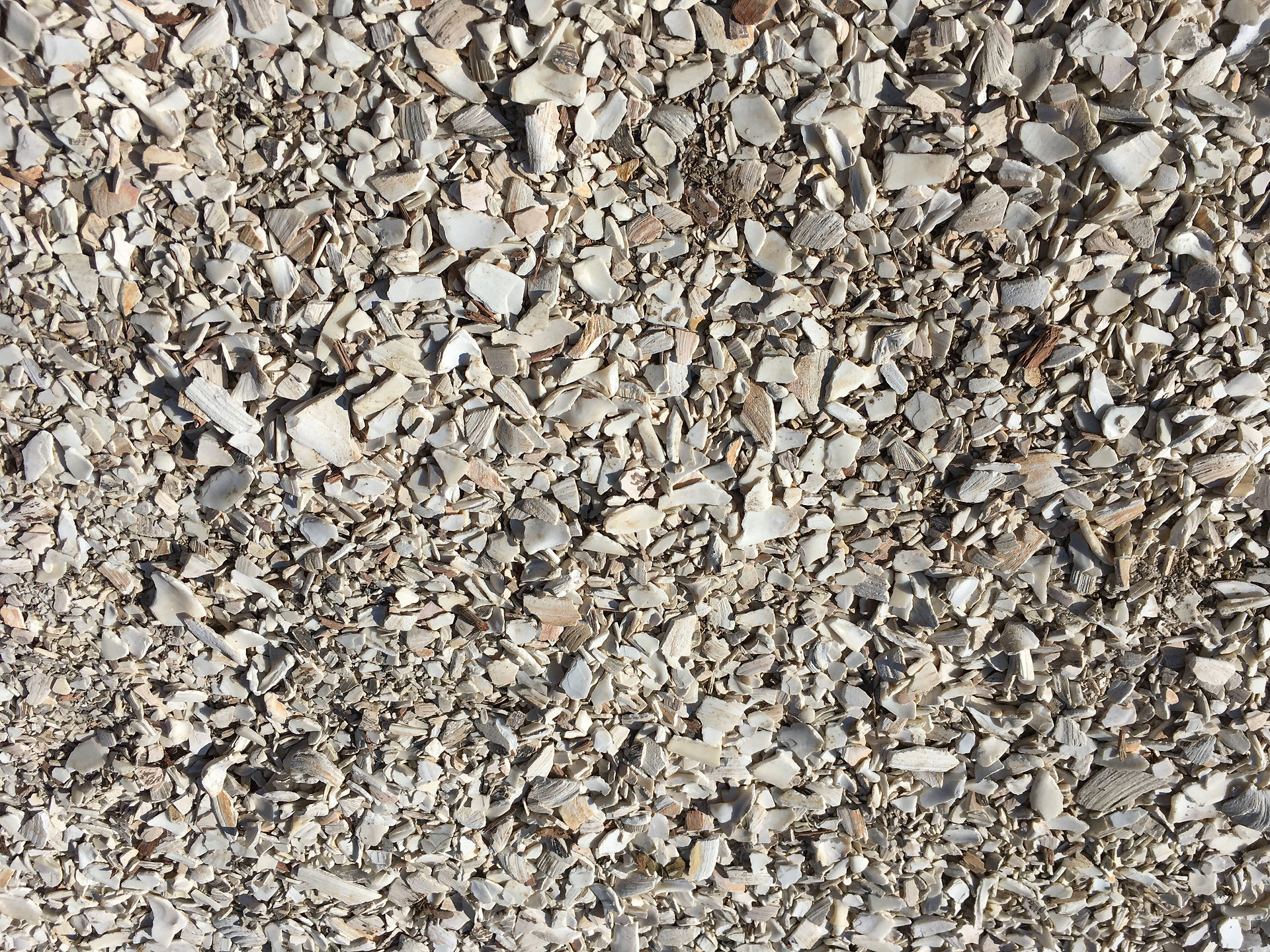
A light, cedar-clad pavilion forms the threshold between forest and garden. Within it, a rectangle of crushed white shell establishes a quiet ground plane, from which flowing green landforms emerge. Stone masonry is scattered through the composition, creating a miniature landscape of mountains and seascapes. The simplicity of the materials recalls the origins of the Japanese dry landscape garden, which developed in part as a way of creating landscapes through stone, gravel and imagination when resources were limited.
The garden is designed to be experienced through movement. Walking around its perimeter reveals changing relationships between the green landforms, stone and pavilion, with each perspective suggesting a different fragment of the larger world. From one position, the garden becomes a mountain range; from another, an island or coastline. The familiar and the miniature become a way of considering the immense and interconnected landscape beyond the garden.
At its center is the idea of Earth as the Blue Marble—a living world suspended within the vastness of space. Like the photograph taken during the Apollo 17 mission, the garden compresses something immense into a small and deeply tangible experience. It asks visitors to pause and consider the shared nature of the world we inhabit: its fragility, beauty and interconnectedness.
Native grasses, ferns and low-growing thyme were proposed to soften the geometric structure and bring the garden back toward the living character of the forest. Through the contrast between wild and ordered, abundance and restraint, the garden suggests adaptation not as loss, but as a continual process of finding new ways to live within a changing world.
Dobro Design
Landscape Architecture · Garden Design · Concept Design